Researchers and Indigenous rangers map two submerged Aboriginal sites
In short
- Researchers and Indigenous rangers documented two submerged sites off Murujuga in Western Australia.
- The sites include stone artefacts near an ancient spring, on land flooded at least 9,000 years ago.
- Some stone came from 23 km away, showing how far people travelled or traded.
Why the Good News Desk likes this one
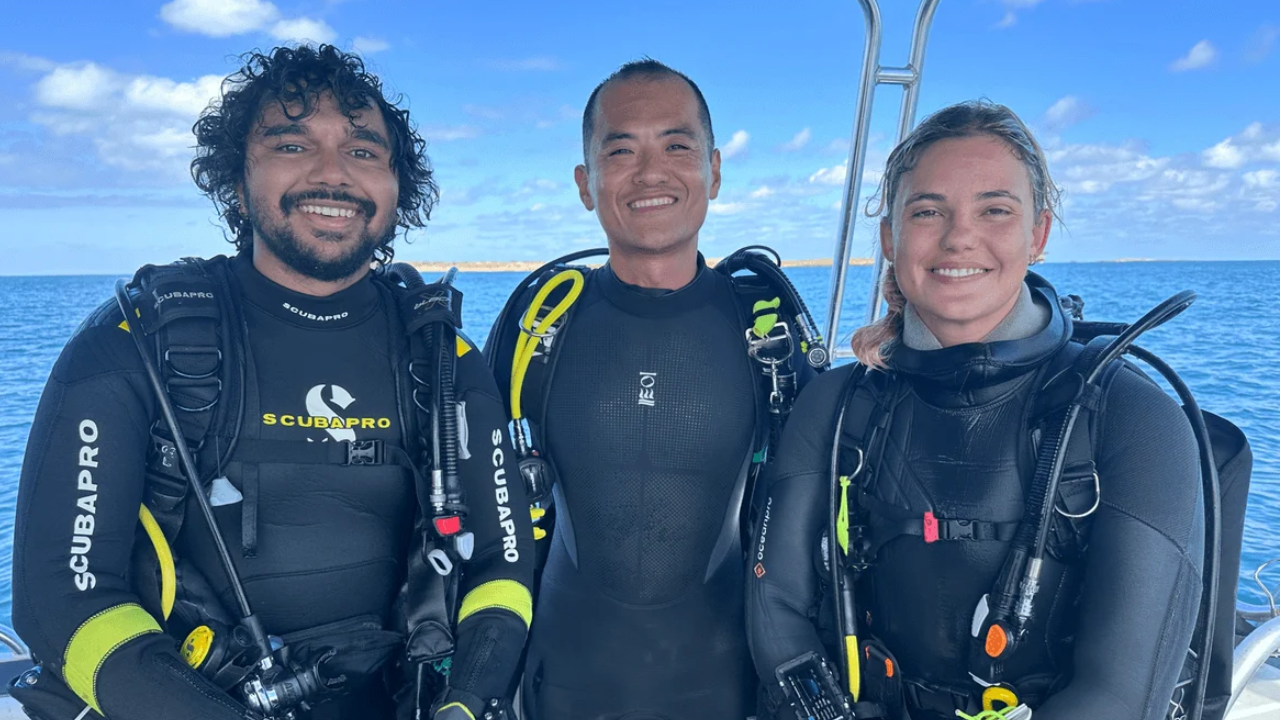
Rising sea levels drowned land that people once lived on and used for fresh water. The team worked with Indigenous rangers, whose knowledge of the country shaped how the sites were found and understood. Several universities took part, and the study stresses that Indigenous expertise is central to cultural heritage work.
From Times of India
Archaeologists collaborated with Indigenous rangers to explore submerged sites off Murujuga in Western Australia. They uncovered artefacts and evidence of past human activity before rising sea levels altered the landscape. Two key locations highlighted interactions with freshwater resources and elevated terrains. The research involved several universities and emphasized the importance of Indigenous expertise in cultural heritage.
Ask this story
For kids
Long ago, the sea was lower, and people lived on land that is now under the water. Scientists and Indigenous rangers went under the water to find stone tools and signs of old camps. They found stones that had been carried 23 km, which tells us people were travelling and sharing things a very long time ago. Talk about it: what would you want to know about people who lived somewhere before the sea came in?

