Researchers Explain a Long-Running Puzzle in Crystal Defects
In short
- The team used a new computational method to study defects in materials such as diamond and silicon carbide.
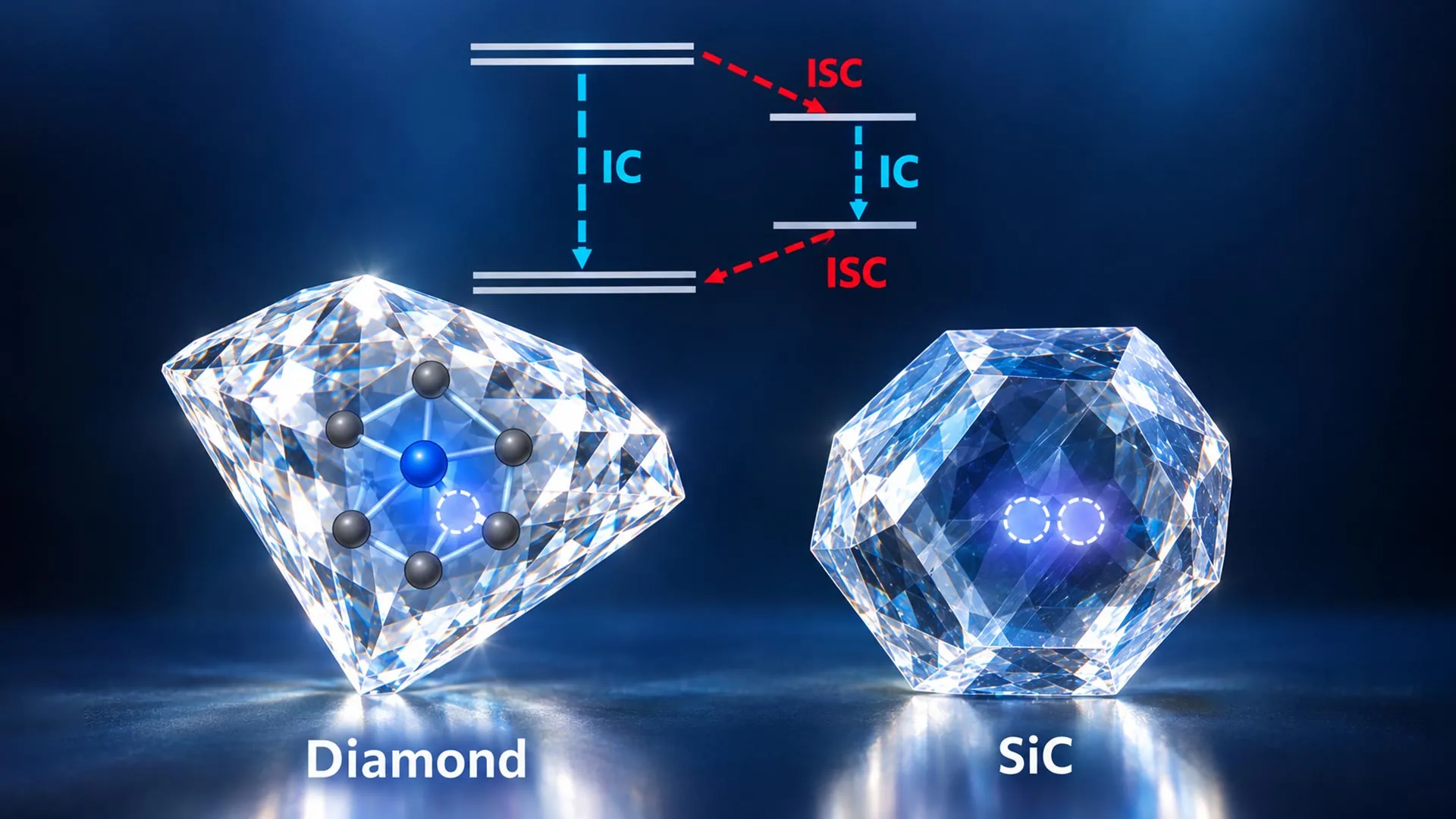
- The method revealed an energy-loss mechanism in silicon carbide that scientists had underestimated.
- The work could help improve the design of quantum computers and sensors.
Why the Good News Desk likes this one
Defects in materials like diamond and silicon carbide are being studied as building blocks for quantum technology. Until now, one energy-loss path in silicon carbide was underestimated, which left a mystery unresolved. The new method accounts for it, so engineers have a clearer model to design with, though the practical gains are still ahead.
From ScienceDaily
Researchers have solved a long-standing challenge in understanding how tiny defects in materials like diamond and silicon carbide behave when exposed to light. Their new computational method revealed a surprisingly important energy-loss mechanism in silicon carbide that scientists had previously underestimated. The finding helps explain a mystery that has puzzled researchers for years and could improve the design of quantum computers and sensors.

